Domain rinder-rouladen.de kaufen?
Wir ziehen mit dem Projekt
rinder-rouladen.de um.
Sind Sie am Kauf der Domain
rinder-rouladen.de interessiert?
domain@kv-gmbh.de · 0541-91531010
Domain rinder-rouladen.de kaufen?
Was für Fleisch für Rouladen?
Für Rouladen wird traditionell Rindfleisch verwendet, da es zart und saftig ist. Es eignen sich besonders gut dünn geschnittene Scheiben aus der Rinderkeule oder dem Rinderlappen. Alternativ kann auch Schweinefleisch oder Geflügelfleisch für Rouladen verwendet werden, je nach persönlichem Geschmack. Wichtig ist, dass das Fleisch schön mager ist, damit die Rouladen beim Schmoren nicht zu fettig werden. Welches Fleisch letztendlich für Rouladen verwendet wird, hängt also von den individuellen Vorlieben ab. **
Für Rouladen benötige ich welches Fleisch?
Für Rouladen benötigt man in der Regel Rindfleisch, wie zum Beispiel Rinderrouladen. Das Fleisch sollte dünn geschnitten und von guter Qualität sein, damit es sich gut rollen lässt und zart wird. Alternativ kann man auch Schweinefleisch oder Geflügelfleisch für Rouladen verwenden. **


Ähnliche Suchbegriffe für Veterinary
Top-Angebote
Produkte zum Begriff Veterinary:
-
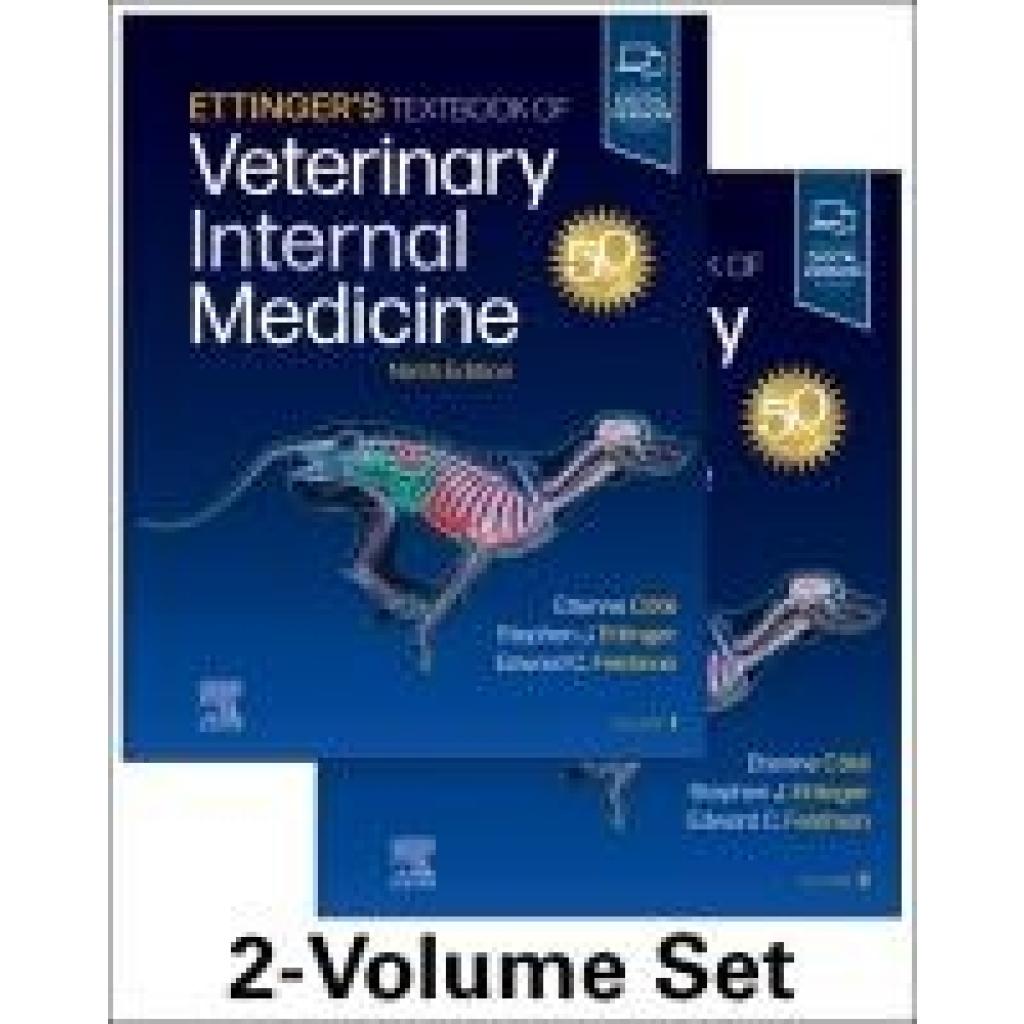
Ettinger's Textbook of Veterinary Internal MedicineEttinger's Textbook of Veterinary Internal Medicine , **Selected for 2026 Doody's Core Titles as an Essential Purchase in Veterinary Medicine** Now Ettinger’s trusted, all-in-one veterinary resource is even better! Trusted by small animal veterinarians for more than 50 years, Ettinger’s Textbook of Veterinary Internal Medicine adds new content on the field’s leading issues and trends to its unmatched, "gold standard" coverage of the diagnosis and treatment of medical problems of dogs and cats. Coverage begins with the basics of veterinary medicine, followed by sections on differential diagnosis for chief complaints and for clinicopathologic abnormalities, and continues with techniques, minimally invasive interventional therapies, critical care, toxicology, diseases by body system, and comorbidities. Clinical information is presented in a way that reflects the practitioner’s thought process. With each purchase of this two-volume print book, Ettinger’s includes access to a fully searchable eBook featuring more than 750 videos that bring procedures to life. UNIQUE! 50 th anniversary edition of this classic textbook. NEW! Coverage of the latest information and trends includes epilepsy, aerodigestive disorders, patient triage and stabilization, enteric protozoal diseases, pulmonary thromboembolism, point-of-care ultrasounds, immunodeficiencies, and more. More than 750 original clinical videos are included with purchase of the print book, providing content you can believe in. Forget those time-consuming searches on YouTube, as each video expertly breaks down veterinary procedures and important signs of diseases and disorders that are difficult or impossible to understand from written descriptions alone. NEW! PDFs in Techniques chapters include a printable pull list of the equipment and materials needed for specific techniques, along with check boxes (accessed through eBook included with print purchase). eBook version is included with purchase of the print book, allowing you to access all the text, figures, and references, with the ability to search, customize content, make notes and highlights, and have content read aloud. The eBook also offers the complete collection of original video clips, heart sounds, client information sheets, and hyperlinking of references to their source abstracts in PubMed ® . NEW! Additional new material is included on nutritional cardiomyopathy, coronavirus infections, host-microbial interactions in gastrointestinal health, and autonomic nervous system disorders. More than 200 clinical algorithms aid in disease identification and decision-making. Fully searchable online text offers quick access to the most important, newest, and relevant veterinary information. More than 250 client information sheets are available in the eBook (included with print purchase) with short, easy-to-understand clinical descriptions of conditions, diagnostics, and treatment options; these pages may be downloaded, customized, and printed as client handouts. Thousands of references for the printed book are accessible online. Expert contributors from around the world provide practical insight into the latest advances and issues affecting small animal medicine. NEW! Coverage of the latest information and trends includes epilepsy, aerodigestive disorders, patient triage and stabilization, enteric protozoal diseases, pulmonary thromboembolism, point-of-care ultrasounds, immunodeficiencies, and more NEW! PDFs in Procedures & Techniques chapters include a printable pull list of the equipment and materials needed for specific procedures (accessed through the eBook included with print purchase) , > , Auflage: 9th Edition, Erscheinungsjahr: 202406, Produktform: Leinen, Autoren: Ettinger, Stephen J.~Feldman, Edward C.~Cote, Etienne, Redaktion: Ettinger, Stephen J.~Feldman, Edward C.~Cote, Etienne, Auflage: 23009, Auflage/Ausgabe: 9th Edition, Seitenzahl/Blattzahl: 2448, Abbildungen: Approx. 1220 illustrations (1220 in full color), Themenüberschrift: MEDICAL / Veterinary Medicine / Small Animal, Keyword: Ettinger’s Textbook of Veterinary Internal Medicine 9th Edition, Etienne Côté, Cote, Stephen J. Ettinger, Ettinger, Edward C. Feldman, Feldman, veterinary internal medicine, small animal medicine, medical problems of dogs and cats, diagnosis and treatment of dogs and cats, procedure videos for dogs and cats, Fachschema: Chirurgie (tiermedizinisch)~Tiermedizin (allgemein)~Veterinärmedizin, Imprint-Titels: Elsevier, Warengruppe: HC/Tiermedizin, UNSPSC: 49019900, Warenverzeichnis für die Außenhandelsstatistik: 49019900, Länge: 303, Breite: 241, Höhe: 145, Gewicht: 7579, Produktform: Gebunden, Genre: Importe,281,13 €*Versand: 0,00 €Sichere Weiterleitung zum Anbieter



-
Welches Fleisch ist das beste für Rouladen?
Welches Fleisch ist das beste für Rouladen? Das beste Fleisch für Rouladen ist traditionell Rindfleisch, da es zart ist und gut mit den anderen Zutaten harmoniert. Typischerweise wird für Rouladen die Rinderroulade verwendet, die aus der Oberschale oder der Rinderkeule geschnitten wird. Alternativ kann auch Schweinefleisch oder Geflügelfleisch für Rouladen verwendet werden, je nach persönlichem Geschmack. Wichtig ist, dass das Fleisch dünn geschnitten wird, damit es sich gut rollen lässt und zart wird beim Schmoren. Letztendlich hängt die Wahl des Fleisches für Rouladen von individuellen Vorlieben und regionalen Traditionen ab. **
-
Was für Fleisch nimmt man für Rouladen?
Für Rouladen nimmt man in der Regel dünn geschnittenes Rindfleisch, wie zum Beispiel Rinderrouladen. Alternativ kann man auch Schweinefleisch oder Geflügelfleisch verwenden, je nach persönlichem Geschmack. Das Fleisch sollte möglichst zart und mager sein, damit es sich gut rollen lässt und beim Schmoren schön saftig bleibt. Traditionell werden Rouladen mit einer Füllung aus Speck, Zwiebeln, Senf und Gewürzgurken zubereitet. Welches Fleisch letztendlich verwendet wird, hängt jedoch von den individuellen Vorlieben ab. **
-
Welches ist das beste Fleisch für Rouladen?
Das beste Fleisch für Rouladen ist traditionell Rinderrouladen, da es zart und saftig ist. Es eignet sich besonders gut für das Rollen und Füllen mit einer leckeren Füllung aus Zwiebeln, Senf, Speck und Gewürzgurken. Alternativ kann auch Schweinefleisch verwendet werden, das etwas magerer ist, aber dennoch einen guten Geschmack liefert. Es ist wichtig, dass das Fleisch dünn geschnitten wird, damit es beim Rollen nicht auseinanderfällt. Letztendlich hängt die Wahl des Fleisches für Rouladen von persönlichen Vorlieben und regionalen Traditionen ab. **
-
Welches Fleisch ist am besten für Rouladen?
Welches Fleisch ist am besten für Rouladen? Rouladen werden traditionell mit dünn geschnittenem Rindfleisch zubereitet, das idealerweise aus der Rinderkeule stammt. Dieses Fleisch ist zart und saftig, was sich perfekt für die Füllung und das Rollen der Rouladen eignet. Alternativ kann auch Schweinefleisch verwendet werden, das jedoch etwas fester ist. Wichtig ist, dass das Fleisch dünn genug geschnitten ist, damit es sich gut rollen lässt und die Füllung gut umschließt. Letztendlich hängt die Wahl des Fleisches auch vom persönlichen Geschmack ab - probiere einfach aus, welches Fleisch dir am besten schmeckt! **

Was kann man außer Rouladen mit Rouladenfleisch kochen?
Rouladenfleisch eignet sich auch gut für andere Gerichte wie Gulasch, Schmorbraten oder gefüllte Paprika. Man kann das Fleisch auch in Streifen schneiden und für Pfannengerichte oder Salate verwenden. **
Was kann man als Beilage zum Thunfischfilet kochen?
Als Beilage zum Thunfischfilet kann man zum Beispiel Reis, Kartoffeln oder Gemüse wie Brokkoli, Spargel oder Zucchini kochen. Auch ein frischer Salat oder eine leichte Pasta passen gut dazu. **
Top-Angebote
Produkte zum Begriff Veterinary:
-
Ettinger's Textbook of Veterinary Internal MedicineEttinger's Textbook of Veterinary Internal Medicine , **Selected for 2026 Doody's Core Titles as an Essential Purchase in Veterinary Medicine** Now Ettinger’s trusted, all-in-one veterinary resource is even better! Trusted by small animal veterinarians for more than 50 years, Ettinger’s Textbook of Veterinary Internal Medicine adds new content on the field’s leading issues and trends to its unmatched, "gold standard" coverage of the diagnosis and treatment of medical problems of dogs and cats. Coverage begins with the basics of veterinary medicine, followed by sections on differential diagnosis for chief complaints and for clinicopathologic abnormalities, and continues with techniques, minimally invasive interventional therapies, critical care, toxicology, diseases by body system, and comorbidities. Clinical information is presented in a way that reflects the practitioner’s thought process. With each purchase of this two-volume print book, Ettinger’s includes access to a fully searchable eBook featuring more than 750 videos that bring procedures to life. UNIQUE! 50 th anniversary edition of this classic textbook. NEW! Coverage of the latest information and trends includes epilepsy, aerodigestive disorders, patient triage and stabilization, enteric protozoal diseases, pulmonary thromboembolism, point-of-care ultrasounds, immunodeficiencies, and more. More than 750 original clinical videos are included with purchase of the print book, providing content you can believe in. Forget those time-consuming searches on YouTube, as each video expertly breaks down veterinary procedures and important signs of diseases and disorders that are difficult or impossible to understand from written descriptions alone. NEW! PDFs in Techniques chapters include a printable pull list of the equipment and materials needed for specific techniques, along with check boxes (accessed through eBook included with print purchase). eBook version is included with purchase of the print book, allowing you to access all the text, figures, and references, with the ability to search, customize content, make notes and highlights, and have content read aloud. The eBook also offers the complete collection of original video clips, heart sounds, client information sheets, and hyperlinking of references to their source abstracts in PubMed ® . NEW! Additional new material is included on nutritional cardiomyopathy, coronavirus infections, host-microbial interactions in gastrointestinal health, and autonomic nervous system disorders. More than 200 clinical algorithms aid in disease identification and decision-making. Fully searchable online text offers quick access to the most important, newest, and relevant veterinary information. More than 250 client information sheets are available in the eBook (included with print purchase) with short, easy-to-understand clinical descriptions of conditions, diagnostics, and treatment options; these pages may be downloaded, customized, and printed as client handouts. Thousands of references for the printed book are accessible online. Expert contributors from around the world provide practical insight into the latest advances and issues affecting small animal medicine. NEW! Coverage of the latest information and trends includes epilepsy, aerodigestive disorders, patient triage and stabilization, enteric protozoal diseases, pulmonary thromboembolism, point-of-care ultrasounds, immunodeficiencies, and more NEW! PDFs in Procedures & Techniques chapters include a printable pull list of the equipment and materials needed for specific procedures (accessed through the eBook included with print purchase) , > , Auflage: 9th Edition, Erscheinungsjahr: 202406, Produktform: Leinen, Autoren: Ettinger, Stephen J.~Feldman, Edward C.~Cote, Etienne, Redaktion: Ettinger, Stephen J.~Feldman, Edward C.~Cote, Etienne, Auflage: 23009, Auflage/Ausgabe: 9th Edition, Seitenzahl/Blattzahl: 2448, Abbildungen: Approx. 1220 illustrations (1220 in full color), Themenüberschrift: MEDICAL / Veterinary Medicine / Small Animal, Keyword: Ettinger’s Textbook of Veterinary Internal Medicine 9th Edition, Etienne Côté, Cote, Stephen J. Ettinger, Ettinger, Edward C. Feldman, Feldman, veterinary internal medicine, small animal medicine, medical problems of dogs and cats, diagnosis and treatment of dogs and cats, procedure videos for dogs and cats, Fachschema: Chirurgie (tiermedizinisch)~Tiermedizin (allgemein)~Veterinärmedizin, Imprint-Titels: Elsevier, Warengruppe: HC/Tiermedizin, UNSPSC: 49019900, Warenverzeichnis für die Außenhandelsstatistik: 49019900, Länge: 303, Breite: 241, Höhe: 145, Gewicht: 7579, Produktform: Gebunden, Genre: Importe,281,13 €*Versand: 0,00 €Sichere Weiterleitung zum Anbieter
-
Was für Fleisch für Rouladen?
Für Rouladen wird traditionell Rindfleisch verwendet, da es zart und saftig ist. Es eignen sich besonders gut dünn geschnittene Scheiben aus der Rinderkeule oder dem Rinderlappen. Alternativ kann auch Schweinefleisch oder Geflügelfleisch für Rouladen verwendet werden, je nach persönlichem Geschmack. Wichtig ist, dass das Fleisch schön mager ist, damit die Rouladen beim Schmoren nicht zu fettig werden. Welches Fleisch letztendlich für Rouladen verwendet wird, hängt also von den individuellen Vorlieben ab. **
-
Für Rouladen benötige ich welches Fleisch?
Für Rouladen benötigt man in der Regel Rindfleisch, wie zum Beispiel Rinderrouladen. Das Fleisch sollte dünn geschnitten und von guter Qualität sein, damit es sich gut rollen lässt und zart wird. Alternativ kann man auch Schweinefleisch oder Geflügelfleisch für Rouladen verwenden. **
-
Welches Fleisch ist das beste für Rouladen?
Welches Fleisch ist das beste für Rouladen? Das beste Fleisch für Rouladen ist traditionell Rindfleisch, da es zart ist und gut mit den anderen Zutaten harmoniert. Typischerweise wird für Rouladen die Rinderroulade verwendet, die aus der Oberschale oder der Rinderkeule geschnitten wird. Alternativ kann auch Schweinefleisch oder Geflügelfleisch für Rouladen verwendet werden, je nach persönlichem Geschmack. Wichtig ist, dass das Fleisch dünn geschnitten wird, damit es sich gut rollen lässt und zart wird beim Schmoren. Letztendlich hängt die Wahl des Fleisches für Rouladen von individuellen Vorlieben und regionalen Traditionen ab. **
-
Was für Fleisch nimmt man für Rouladen?
Für Rouladen nimmt man in der Regel dünn geschnittenes Rindfleisch, wie zum Beispiel Rinderrouladen. Alternativ kann man auch Schweinefleisch oder Geflügelfleisch verwenden, je nach persönlichem Geschmack. Das Fleisch sollte möglichst zart und mager sein, damit es sich gut rollen lässt und beim Schmoren schön saftig bleibt. Traditionell werden Rouladen mit einer Füllung aus Speck, Zwiebeln, Senf und Gewürzgurken zubereitet. Welches Fleisch letztendlich verwendet wird, hängt jedoch von den individuellen Vorlieben ab. **
Ähnliche Suchbegriffe für Veterinary
-
Welches ist das beste Fleisch für Rouladen?
Das beste Fleisch für Rouladen ist traditionell Rinderrouladen, da es zart und saftig ist. Es eignet sich besonders gut für das Rollen und Füllen mit einer leckeren Füllung aus Zwiebeln, Senf, Speck und Gewürzgurken. Alternativ kann auch Schweinefleisch verwendet werden, das etwas magerer ist, aber dennoch einen guten Geschmack liefert. Es ist wichtig, dass das Fleisch dünn geschnitten wird, damit es beim Rollen nicht auseinanderfällt. Letztendlich hängt die Wahl des Fleisches für Rouladen von persönlichen Vorlieben und regionalen Traditionen ab. **
-
Welches Fleisch ist am besten für Rouladen?
Welches Fleisch ist am besten für Rouladen? Rouladen werden traditionell mit dünn geschnittenem Rindfleisch zubereitet, das idealerweise aus der Rinderkeule stammt. Dieses Fleisch ist zart und saftig, was sich perfekt für die Füllung und das Rollen der Rouladen eignet. Alternativ kann auch Schweinefleisch verwendet werden, das jedoch etwas fester ist. Wichtig ist, dass das Fleisch dünn genug geschnitten ist, damit es sich gut rollen lässt und die Füllung gut umschließt. Letztendlich hängt die Wahl des Fleisches auch vom persönlichen Geschmack ab - probiere einfach aus, welches Fleisch dir am besten schmeckt! **
-
Was kann man außer Rouladen mit Rouladenfleisch kochen?
Rouladenfleisch eignet sich auch gut für andere Gerichte wie Gulasch, Schmorbraten oder gefüllte Paprika. Man kann das Fleisch auch in Streifen schneiden und für Pfannengerichte oder Salate verwenden. **
-
Was kann man als Beilage zum Thunfischfilet kochen?
Als Beilage zum Thunfischfilet kann man zum Beispiel Reis, Kartoffeln oder Gemüse wie Brokkoli, Spargel oder Zucchini kochen. Auch ein frischer Salat oder eine leichte Pasta passen gut dazu. **
* Alle Preise verstehen sich inklusive der gesetzlichen Mehrwertsteuer und ggf. zuzüglich Versandkosten. Die Angebotsinformationen basieren auf den Angaben des jeweiligen Shops und werden über automatisierte Prozesse aktualisiert. Eine Aktualisierung in Echtzeit findet nicht statt, so dass es im Einzelfall zu Abweichungen kommen kann. ** Hinweis: Teile dieses Inhalts wurden von KI erstellt.